
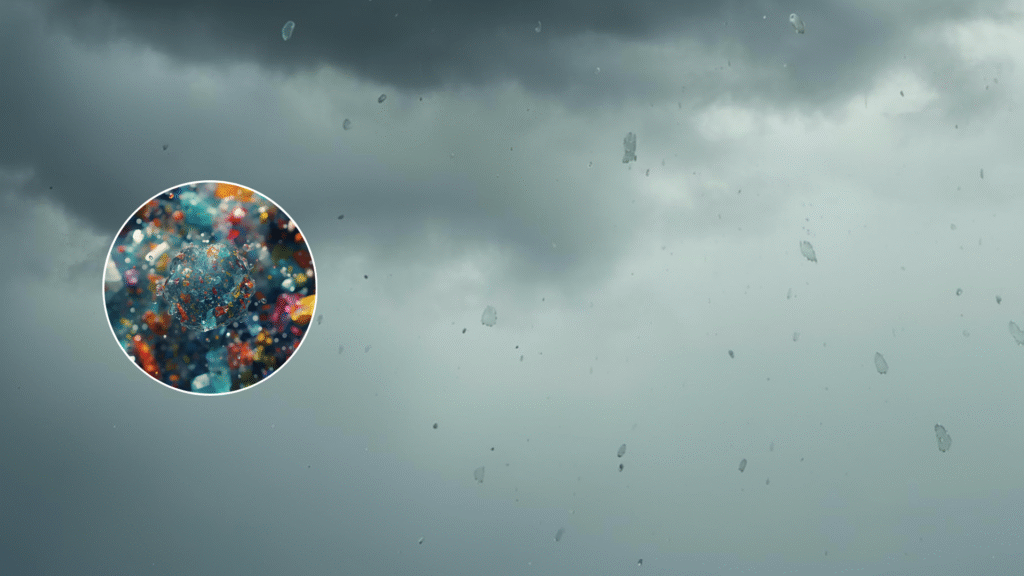
The proliferation of plastic waste has become a global environmental issue, resulting in the spread of microplastics (MP) across aquatic environments worldwide. Indonesia, unfortunately, holds the second-highest level of microplastic contamination globally, trailing only China. For environmentally conscious individuals seeking sustainable solutions, understanding the scale and nature of this threat is the vital first step toward action.
The Invisible Invasion: Scale and Spread in Indonesia
Microplastics are defined as tiny plastic particles measuring less than 5 mm. These particles are formed when larger plastic debris, such as fishing nets or plastic bags, degrade through physical, chemical, and biological processes, often accelerated by UV radiation and water currents.
The contamination is pervasive across Indonesian ecosystems:
- Surface and Inland Waters: Microplastics are found in surface water biota (rivers, brackish water, and estuaries). The highest abundance documented in aquatic biota across the reviewed studies—a staggering 468 MP particles per individual—was found in Sapu-Sapu fish (Hypostomus plecostomus) living in the river water of the Kali Krukut watershed in Jakarta. This high level is linked to the fish’s omnivorous habits and habitat near the bottom, where waste accumulates, likely originating from domestic activities.
- Marine Waters: MP has spread throughout marine environments, including gulfs, straits, and the open sea. Marine biota, such as the Thryssa kammalensis fish in gulf waters, can contain over 22 MP particles per individual.
- Atmospheric Transport: MP has entered the environmental cycle so thoroughly that it has been detected in rainwater in the Jakarta area, carried by wind from degraded plastic on land or sea and falling back down with precipitation.
Anatomy of the Microplastic Threat
MP found in aquatic biota exhibit consistent characteristics across different water bodies:
|
Characteristic |
Dominant Finding in Biota (Surface & Marine) |
Origin/Source Implication |
|
Size |
20 μm – 50 μm |
Varies widely due to different degradation levels. |
|
Shape |
Fiber (followed by fragments and films) |
Synthetic fibers often derived from laundry/washing activities (household or industrial) and degraded fishing nets. |
|
Color |
Black and Transparent |
Common colors observed in both surface and marine biota. |
|
Polymer Type |
Surface Water: Polyethylene (PE) Marine Water: Polypropylene (PP) and Polyethylene (PE) |
PE is a primary component of plastic bags and containers. PP and PE are strong polymers that form secondary fragments from discarded waste. |
MP contamination is primarily found in the digestive tracts of aquatic biota, but it can also accumulate in other areas like the gills and skin. Biota, especially omnivores, can ingest large amounts of MP directly or indirectly by consuming contaminated macroinvertebrate prey.
Why This Matters: Impacts on Health and Ecosystems
The widespread contamination of microplastics carries significant risks. MP particles themselves possess the potential to cause internal bleeding, ulcers, and blockages in the digestive tract of aquatic organisms.
Even more concerning is their function as transport vectors:
- MP can absorb persistent organic compounds present in the environment.
- When ingested, MP is potentially toxic due to this absorption and the subsequent release of chemical additives and monomers.
- Chemicals associated with plastics, such as bisphenol A (BPA) and phthalates, may disrupt the hormonal, reproductive, and fetal development systems if exposure is long-term and in high quantities.
- Because MP enters the base of the food chain, it poses a risk of affecting humans who consume contaminated seafood.
Indovera: Turning the Tide with Responsible Recycling
The presence of microplastics underscores the critical failure of current waste management practices. While global scientific consensus is still developing standard quality benchmarks for MP contamination, the sheer volume found demands immediate action to interrupt the plastic life cycle.
Indovera Utama, established in 2005, is an Indonesian leader in recycled PET flakes and is committed to supporting the global movement toward a greener Earth with safe plastic waste recycling technology. By focusing on PET Flakes Manufacturing and Recycling Management, Indovera is at the forefront of plastic recycling innovation.
The most effective way to address secondary microplastic formation is to recover large plastics before they fragment and enter the environmental cycle. Indovera helps provide this critical intervention by converting waste into valuable products like r-PET Flakes, r-PET Pellets, and r-HDPE Flakes, ensuring materials like those responsible for environmental contamination are instead funneled back into sustainable supply chains.
By supporting comprehensive recycling efforts and reducing reliance on single-use plastics, we participate directly in the solution, slowing the degradation process that feeds the invisible microplastic crisis.
Indovera is dedicated to fulfilling its vision of “Recycling for Future” and holds certifications including Prevented Ocean Plastic and Global Recycle Standart, assuring commitment to high-quality, sustainable material recovery.